by EastSide Explorer | Apr 9, 2024 | Uncategorized
Cape Disappointment is a well-known location in the Pacific Northwest, located on the Long Beach Peninsula in Washington State. The cape is situated where the Columbia River meets the Pacific Ocean, and it is a place of historical significance, natural beauty, and recreational opportunities.

The area was first explored by Spanish explorer Bruno de Heceta in 1775, and it was later named Cape Disappointment by English Captain John Meares in 1788. The name was given due to the challenges and dangers faced by early explorers in navigating the treacherous waters of the Columbia River Bar. Today, Cape Disappointment is a popular destination for tourists and locals alike, offering a range of activities and attractions.
Visitors to Cape Disappointment can explore the Lewis and Clark Interpretive Center, which features exhibits and displays about the famous expedition that passed through the area in 1805. The park also offers hiking trails, beaches, and stunning views of the ocean and river. Whether you’re interested in history, nature, or outdoor recreation, Cape Disappointment has something to offer.
Geographical Overview
Location
Cape Disappointment is located at the southwesternmost point of Washington State, on the Long Beach Peninsula. It is situated at the confluence of the Pacific Ocean and the Columbia River, which forms the border between Oregon and Washington. The cape is part of the Lewis and Clark National Historical Park and is managed by the Cape Disappointment State Park.
Topography
Cape Disappointment is a rugged and scenic area with a diverse topography. The cape is characterized by steep cliffs that rise up to 200 feet above sea level, and rocky outcroppings that jut out into the ocean. The area is also home to several beaches, including Waikiki Beach and Dead Man’s Cove. The terrain is dominated by dense forests of Sitka spruce, western hemlock, and Douglas fir, which provide habitat for a variety of wildlife, including deer, elk, and bald eagles.
Climate
The climate at Cape Disappointment is characterized by mild temperatures, high humidity, and frequent rainfall. The area receives an average of 80 inches of rain per year, with the majority of the precipitation occurring between October and May. The summers are cool and foggy, with temperatures averaging in the mid-60s. The winters are mild but wet, with temperatures averaging in the mid-40s. Visitors should be prepared for changing weather conditions, as the area is known for its sudden and dramatic shifts in weather.
Historical Significance
Lewis and Clark Expedition
Cape Disappointment played a significant role in the Lewis and Clark Expedition, which was the first American expedition to cross the western portion of the United States. On November 14, 1805, the expedition sheltered at Dismal Nitch, which is located near Cape Disappointment. Meriwether Lewis, one of the leaders of the expedition, decided to proceed on by land and find if possible the white people the Indians Say is below and examine if a Bay is Situated near the mouth of this river as laid.
Lighthouse History
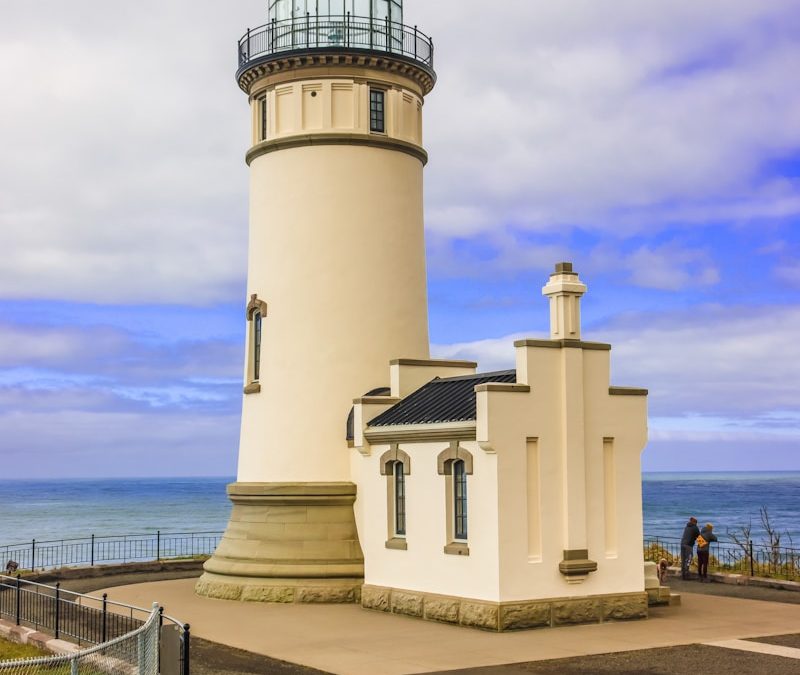
Cape Disappointment is also home to one of the oldest lighthouses on the west coast of the United States. The Cape Disappointment Lighthouse was lit in 1856, becoming the eighth active light on the west coast. Today, the inside of the lighthouse is closed to the public, but a short, forested trail from a parking lot leads to a viewpoint overlooking the lighthouse.
Military History
Cape Disappointment has a rich military history. In the late 1800s, the U.S. Army established Fort Canby at Cape Disappointment to protect the entrance to the Columbia River. During World War II, the fort was an important coastal defense installation, and several gun batteries were built to defend against possible attacks from the sea. Today, visitors can explore the fort and learn about its military history at the Lewis and Clark Interpretive Center, which is located on the grounds of the fort.
Overall, Cape Disappointment is a place of great historical significance, and it attracts visitors from all over the world who come to learn about its rich history and explore its natural beauty.
Cape Disappointment State Park
Cape Disappointment State Park is a 2,023-acre park located on the Washington coastline. The park is popular for its beautiful scenery, recreational activities, and conservation efforts.
Recreational Activities
The park offers a variety of recreational activities for visitors. Some of the most popular activities include hiking, camping, fishing, and beachcombing. There are several trails within the park, including the Cape Disappointment Trail, which offers stunning views of the ocean and surrounding landscape. Visitors can also camp at one of the four camping loops (A, B, C, and D) within the park.
Facilities and Amenities
Cape Disappointment State Park offers several facilities and amenities for visitors. The park has picnic areas, restrooms, and showers. There are also several cabins available for rent within the park. In addition, the park has a visitor center where visitors can learn about the park’s history, wildlife, and conservation efforts.
Conservation Efforts
Cape Disappointment State Park is committed to conservation efforts to protect the park’s natural resources. The park has implemented several measures to reduce its carbon footprint, including the installation of solar panels and the use of electric vehicles. In addition, the park has a recycling program and encourages visitors to practice Leave No Trace principles.
Overall, Cape Disappointment State Park is a beautiful and well-maintained park that offers a variety of recreational activities and amenities for visitors. The park’s commitment to conservation efforts ensures that future generations can enjoy the park’s natural beauty.
Cape Disappointment Lighthouse
Cape Disappointment Lighthouse is a historic lighthouse located in Ilwaco, Washington. It was first lit on October 15, 1856, and became the eighth active light on the West Coast. The lighthouse is an important landmark in the area and attracts many visitors each year.
Construction and Design
The lighthouse was designed by Carl Leick and constructed by the United States Army Corps of Engineers. It is a 53-foot tall tower made of brick and mortar, with a cast-iron lantern room and gallery. The original light source was a first-order Fresnel lens, which was later replaced by a fourth-order lens.
Lighthouse Keepers
Over the years, many lighthouse keepers have served at Cape Disappointment Lighthouse. The first keeper was John Bowman, who served from 1856 to 1861. Other keepers included Joseph A. Smith, who served from 1873 to 1901, and George C. Riedel, who served from 1901 to 1936. The keepers were responsible for maintaining the lighthouse and ensuring that the light was always shining brightly.
Modern Use
Today, the lighthouse is no longer in use and is maintained by the United States Coast Guard. It is open to the public and visitors can climb to the top of the tower for a beautiful view of the surrounding area. The lighthouse is also part of the Lewis and Clark National Historical Park, which includes a museum and interpretive center. Visitors can learn about the history of the area and the role that the lighthouse played in maritime navigation.
Cultural Impact
In Literature and Media
Cape Disappointment has been featured in several works of literature and media. In the book “The Columbia River: A Comprehensive Report on the Development of the Water Resources of the Columbia River Basin for Irrigation, Power Production, and Other Beneficial Uses,” published in 1947, the cape is mentioned as a landmark on the Columbia River. It has also been mentioned in various travel guides and brochures.
In popular culture, Cape Disappointment has been featured in movies, TV shows, and video games. It is a location in the video game “Alan Wake,” where the main character visits the lighthouse. The cape is also featured in the TV series “Twin Peaks,” where it is mentioned as a location near the fictional town of Twin Peaks.
Local Legends
Cape Disappointment is steeped in local legends and folklore. One such legend is that of the ghost of a lighthouse keeper who haunts the area. According to the legend, the lighthouse keeper died in a storm while trying to rescue sailors from a shipwreck. Visitors to the area have reported seeing strange lights and hearing unexplained noises.
Another local legend is that of the “Cape Disappointment Monster.” According to the legend, a sea monster lives in the waters off Cape Disappointment and has been known to attack boats and fishermen. While there is no concrete evidence to support the existence of such a creature, the legend has persisted for many years.
Overall, Cape Disappointment’s cultural impact extends beyond its natural beauty and historical significance. Its presence in literature, media, and local legends has cemented its place in the popular imagination.
Visitor Information
Travel Tips
Cape Disappointment is a popular tourist destination, and visitors should plan their trip accordingly. The park is open year-round, and visitors are encouraged to check the weather forecast before their visit. The park is located in the Pacific Northwest, so visitors should be prepared for rain and cooler temperatures. It is recommended that visitors wear comfortable shoes and dress in layers, as the weather can change quickly.
Visitors can access the park by car, and there is ample parking available. The park is also accessible by public transportation, with several bus routes running nearby. Visitors should note that a Discover Pass is required to enter the park.
Best Times to Visit
The best time to visit Cape Disappointment is during the summer months, from June to August. During this time, the weather is generally mild and sunny, making it the perfect time to explore the park’s many hiking trails and beaches. However, visitors should be aware that this is also the busiest time of year, and the park can get crowded.
Visitors looking for a quieter experience should consider visiting during the shoulder seasons of spring and fall. During these times, the crowds are smaller, and the weather is still pleasant. However, visitors should be prepared for cooler temperatures and the possibility of rain.
Safety Considerations
Visitors should be aware of the potential hazards when visiting Cape Disappointment. The park is located on the coast, and visitors should exercise caution when exploring the beaches and cliffs. Visitors should also be aware of the tides, as they can change quickly and create dangerous conditions.
Visitors should also be prepared for the possibility of encountering wildlife, such as bears and cougars. Visitors should keep a safe distance from these animals and should never feed them.
Finally, visitors should be aware of the park’s rules and regulations. Visitors should stay on designated trails and should not disturb the park’s natural resources. Visitors should also pack out all trash and leave the park as they found it.
by EastSide Explorer | Apr 9, 2024 | Uncategorized
Diablo Lake is a popular destination for nature lovers and outdoor enthusiasts alike. Located in the North Cascade mountains of northern Washington state, Diablo Lake is a reservoir created by the Diablo Dam. Managed by Seattle City Light, the lake is part of the Skagit River Hydroelectric Project and offers a variety of recreational activities for visitors.
The lake has a surface area of 803.60 acres and a maximum depth of 320 feet. The shoreline is 26 miles long, providing plenty of opportunities for hiking, fishing, and boating. Visitors can enjoy breathtaking views of the lake and surrounding mountains from the Diablo Lake Overlook, a scenic overlook located along State Route 20. The overlook also offers educational resources about the geology, glaciers, and wildlife of the area.
Whether you’re looking to explore the great outdoors, learn about the natural world, or simply relax and take in the beauty of the Pacific Northwest, Diablo Lake is a must-visit destination. With its stunning scenery, diverse recreational opportunities, and rich history, there’s something for everyone to enjoy at this beautiful reservoir.
Geographical Location
Region and Coordinates
Diablo Lake is situated in the North Cascade mountains of northern Washington state, United States. The lake is part of the Skagit River Hydroelectric Project and managed by Seattle City Light. It is located between Ross Lake and Gorge Lake on the Skagit River at an elevation of 1,201 feet (366 m) above sea level. The lake’s coordinates are 48°41′04″N 121°05′30″W.
Surrounding Features
The lake is surrounded by rugged mountains that rise around the lake, offering a picturesque view. The lake is located in the North Cascades National Park, which is a protected area in the United States. The park is home to a wide variety of flora and fauna, including bears, deer, and many bird species.
Diablo Dam is a large spillway that opened in 1930, and it created the often-visited Diablo Lake. It reaches a height of 389 feet and runs for over 1,100 feet in length. When it was completed, it was the tallest dam in the world.
The Diablo Lake Trail is a popular hiking trail that offers hikers a 7.6-mile roundtrip journey with an elevation gain of 1,400 feet. The trail provides stunning views of various minor North Cascades peaks, such as Sourdough Mountain and Colonial Peak.
Formation and Hydrology
Geological History
Diablo Lake is a man-made reservoir located in the North Cascade Mountains of northern Washington state. It was formed by the construction of the Diablo Dam on the Skagit River in 1930. The dam is a large spillway that reaches a height of 389 feet and runs for over 1,100 feet in length. When it was completed, it was the tallest dam in the world.
The geological history of the area dates back to the Ice Age, when glaciers carved out the rugged mountain landscape that surrounds Diablo Lake. The Skagit River, which feeds the lake, originates from the Ross Lake National Recreation Area and flows through the North Cascades National Park before emptying into the Puget Sound.
Water Sources
The Skagit River is the primary source of water for Diablo Lake. The river is fed by snowmelt and rainfall, which is then stored in the Ross Lake reservoir before being released downstream to generate hydroelectric power. The Skagit River Hydroelectric Project, which includes Diablo Dam and Ross Dam, is managed by Seattle City Light.
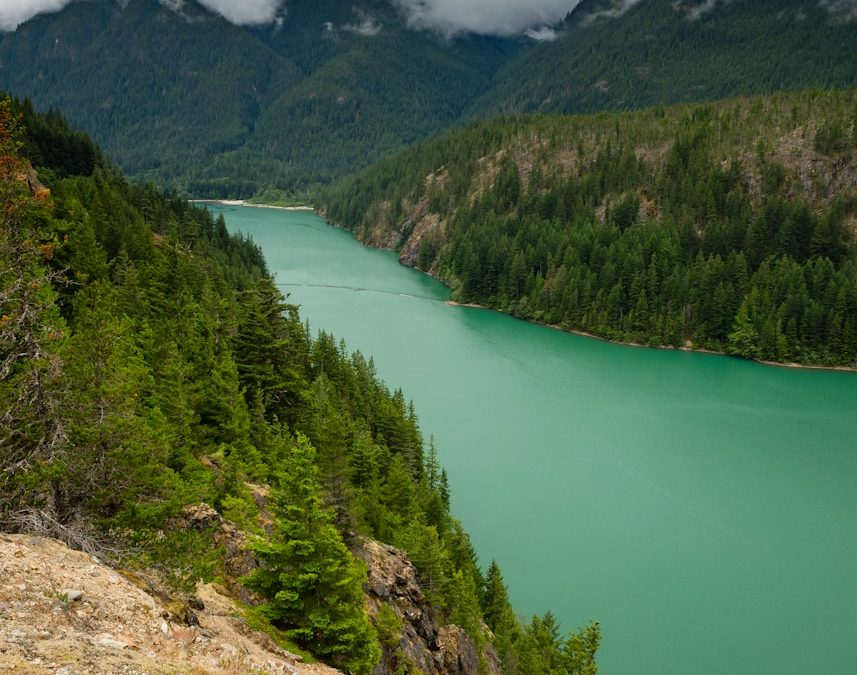
Diablo Lake is known for its unique turquoise color, which is caused by the presence of glacial flour. This fine sediment is created when glaciers grind rocks into a fine powder, which is then carried downstream by rivers and deposited in lakes. The glacial flour reflects sunlight differently than other sediments, giving Diablo Lake its distinctive color.
Ecology and Environment
Flora
Diablo Lake is surrounded by a diverse range of flora, including coniferous trees such as Douglas fir, western hemlock, and western red cedar. The area is also home to a wide variety of wildflowers, including lupines, paintbrushes, and Indian paintbrushes. The lake is situated in the North Cascades National Park, which is known for its rich biodiversity.
Fauna
Diablo Lake is home to a variety of wildlife, including bald eagles, ospreys, and peregrine falcons. The lake is also home to several species of fish, including rainbow trout, cutthroat trout, and bull trout. The surrounding forests are home to black bears, mountain goats, and deer. Visitors to the area are advised to take precautions when hiking and camping to avoid any potential encounters with wildlife.
The Skagit River Hydroelectric Project, which manages the lake, has taken several measures to protect the environment and wildlife in the area. These measures include the implementation of fish ladders to help salmon and other fish navigate through the dam, as well as the use of low-impact construction techniques to minimize the impact on the surrounding environment. Additionally, the project has implemented a variety of measures to reduce the impact of the hydroelectric plant on the lake’s water quality.
Recreational Activities
Hiking Trails
Diablo Lake offers numerous hiking trails for visitors to explore. The Deer Creek Trail is a short and easy hike that takes you through the forest and along the creek. The Sourdough Creek Trail is a bit longer and more challenging, but the stunning views of the lake and mountains make it worth the effort. For those looking for a longer hike, the Diablo Lake Trail is approximately 9 miles long and takes you through old-growth forests, along the shores of Diablo and Ross Lakes, and up to Cascade Pass.
Boating and Fishing
Boating and fishing are popular activities at Diablo Lake. Visitors can rent boats or bring their own to explore the lake and its surroundings. The lake is home to a variety of fish species, including rainbow trout, kokanee, and bull trout. Fishing is allowed year-round, but visitors should check the Washington Department of Fish and Wildlife for regulations and restrictions.
Camping Opportunities
Diablo Lake offers several camping opportunities for visitors. The Colonial Creek Campground is located on the shores of Diablo Lake and offers campsites for tents and RVs. The campground has amenities such as showers, restrooms, and picnic areas. The nearby Newhalem Creek Campground also offers campsites for tents and RVs, as well as amenities such as showers and restrooms. Both campgrounds are open from May to September and reservations are recommended. Visitors should note that there is no cell phone service in the area, so it is important to plan accordingly.
Conservation Efforts
Environmental Protection
Diablo Lake is a natural wonder that is surrounded by diverse ecosystems and habitats. The lake is located within the North Cascades National Park, which is dedicated to preserving the natural beauty of the area. The park service has implemented several measures to protect the environment and ensure that the lake remains pristine for future generations.
One of the most significant conservation efforts is to prevent pollution and minimize the impact of human activities on the lake. The park service has strict regulations in place to prevent littering, camping, and fires in the area. Visitors are encouraged to practice leave-no-trace principles and dispose of waste responsibly.
Additionally, the park service has implemented measures to prevent erosion and protect the shoreline. The use of motorized boats is restricted, and visitors are encouraged to use non-motorized watercraft such as kayaks and canoes. This helps to minimize the disturbance to the lake’s ecosystem and prevent erosion caused by motorized boats.
Wildlife Preservation
Diablo Lake is home to a diverse range of wildlife species, including black bears, mountain goats, and various bird species. The park service is committed to preserving the natural habitats of these species and minimizing disturbances caused by human activities.
To protect wildlife, the park service has implemented regulations such as leash requirements for pets and restrictions on hunting and fishing. Visitors are encouraged to observe wildlife from a distance and avoid disturbing their natural habitats.
In addition to these regulations, the park service has implemented several conservation efforts to protect the habitats of wildlife species. This includes the preservation of vegetation and the restoration of degraded habitats. The park service also monitors the populations of wildlife species to ensure that they are thriving and taking appropriate measures to protect them if necessary.
Overall, the conservation efforts at Diablo Lake are essential to preserving the natural beauty of the area and protecting the diverse ecosystems and habitats that exist there. The park service is committed to ensuring that the lake remains pristine for future generations to enjoy.
Visitor Information
Access and Directions
Diablo Lake is located in the North Cascade mountains of northern Washington state, United States. Visitors can access the lake by car, with two public boat launches available on the lake, one at Diablo Dam and one at Ross Dam. The lake is situated along the Skagit River and formed by the Diablo dam. The lake has a surface area of 803.60 acres and a maximum depth of 320 feet. The shoreline is 26 miles long. The lake is at an elevation of 1,201 feet.
Best Times to Visit
The best time to visit Diablo Lake is during the summer months, from June to September, when the weather is warm and sunny. However, visitors can also enjoy the lake during the spring and fall months, when the foliage is changing and the crowds are smaller. It is important to note that the lake can be affected by heavy rainfall, which can cause flooding and impact access to the lake.
Facilities and Amenities
Diablo Lake offers a range of facilities and amenities for visitors to enjoy. There are several hiking trails available in the area, including the Diablo Lake Trail, which offers stunning views of Ross Lake and Colonial, Pyramid, Davis Peaks, as well as Jack Mountain. Additionally, there are several picnic areas available for visitors to enjoy a meal while taking in the beautiful scenery. Visitors can also enjoy fishing, boating, and camping in the area, with several campgrounds available nearby. It is important to note that there are no lifeguards on duty at the lake, and visitors should exercise caution when swimming or boating in the area.
by EastSide Explorer | Apr 9, 2024 | Uncategorized
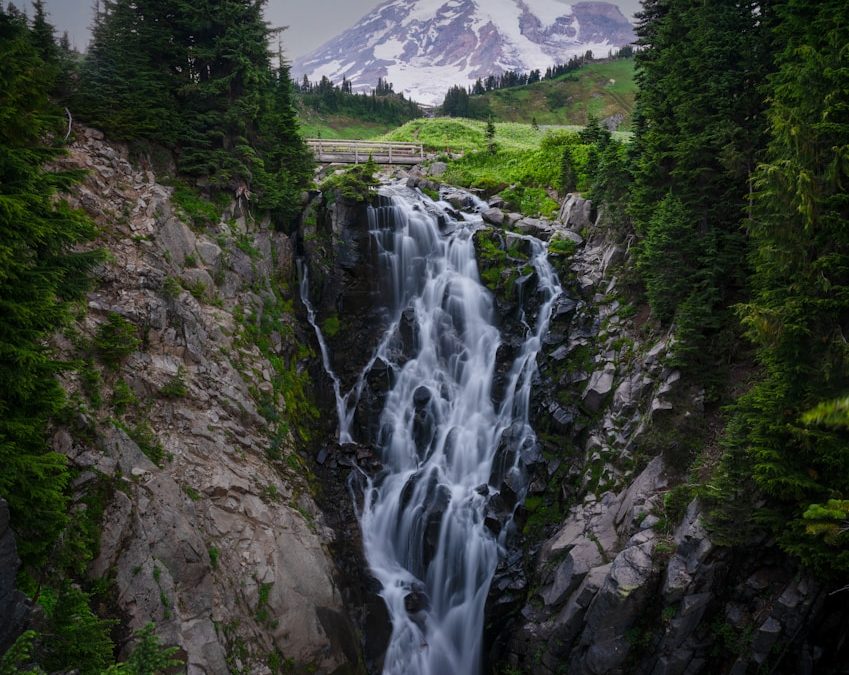
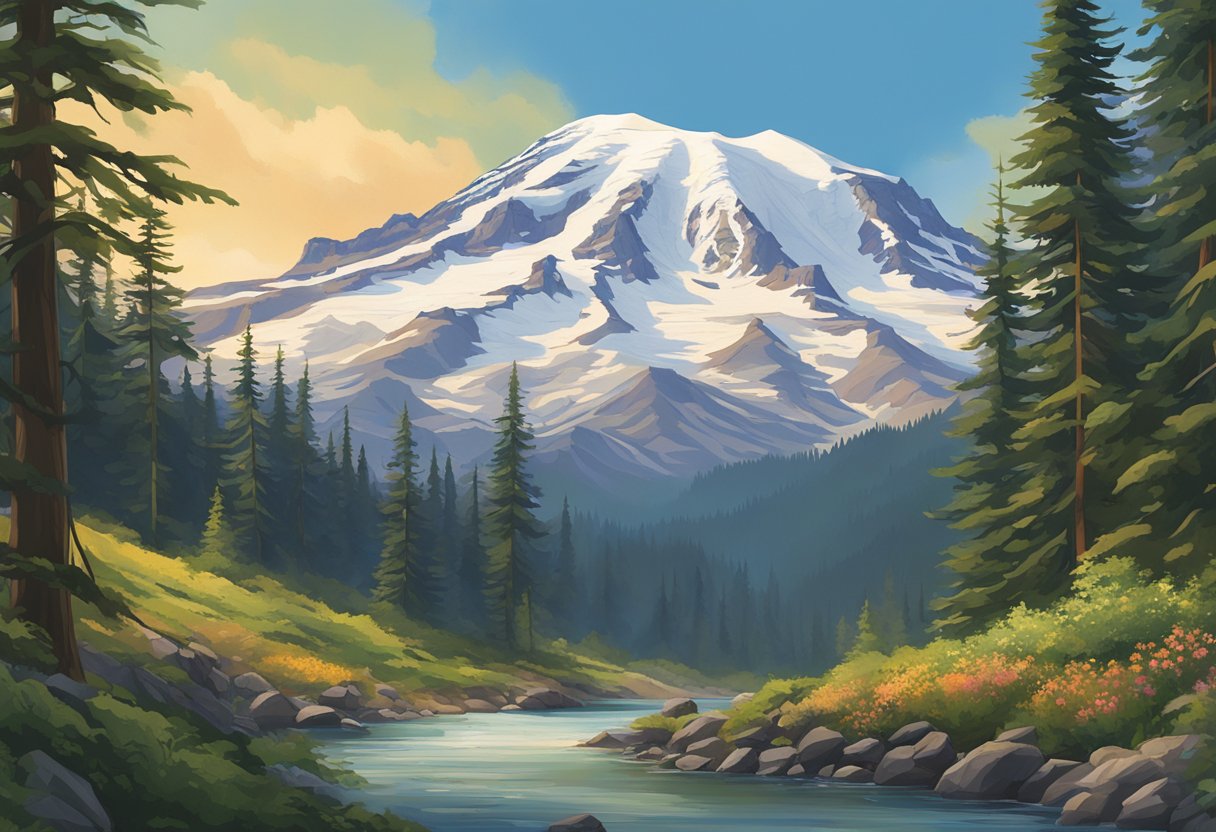
Mount Rainier is a majestic stratovolcano located in the Cascade Range of the Pacific Northwest in the United States. It is the highest mountain in the state of Washington, standing at an elevation of 14,411 feet (4,392 meters). Mount Rainier is an active volcano and is considered one of the most dangerous in the world due to its potential for large and explosive eruptions.
Mount Rainier National Park was established in 1899, making it one of the oldest national parks in the United States. The park covers an area of over 236,000 acres and is home to a variety of ecosystems, including subalpine meadows, old-growth forests, and glaciers. Visitors to the park can enjoy hiking, camping, fishing, and wildlife viewing, among other activities.
Mount Rainier has a rich history and cultural significance to the local Native American tribes, who have lived in the area for thousands of years. The mountain is also a popular destination for mountaineers and outdoor enthusiasts, with thousands of people attempting to summit it each year. With its stunning beauty and unique geologic features, Mount Rainier truly is a national treasure.
Geological Formation
Mount Rainier is a stratovolcano located in the Cascade Range of Washington State, USA. It is the highest peak in the state, standing at 14,411 feet (4,392 meters) tall. The mountain is composed of volcanic and sedimentary rocks that were formed over millions of years. The geological formation of Mount Rainier is a fascinating topic that is worth exploring.
Volcanic Activity
Mount Rainier is a young stratovolcano that began forming about 500,000 years ago. The current edifice of the volcano is the result of a series of eruptions that have occurred over the past half-million years. The mountain is composed of andesite and dacite lava flows, which are rich in silica and form steep-sided cones. The volcano has erupted significant amounts of pumice throughout its history, although not as frequently or voluminously as Mount St. Helens.
The most recent eruption of Mount Rainier occurred about 1,000 years ago. Since then, the volcano has been dormant, but it is still considered an active volcano. The risk of an eruption is considered low, but it is not zero. The US Geological Survey closely monitors the volcano for signs of activity.
Glacial History
Mount Rainier has a rich glacial history. The mountain is covered in glaciers, which are formed from snow that accumulates over time. The glaciers on Mount Rainier are some of the largest in the contiguous United States. The mountain has 26 named glaciers, the largest of which is the Emmons Glacier, which covers an area of 4.3 square miles (11.1 square kilometers).
The glaciers on Mount Rainier have been in a state of retreat for the past century. This is due to a combination of factors, including rising temperatures and decreased snowfall. The retreat of the glaciers has had a significant impact on the mountain’s ecosystem, as well as on the surrounding communities. The glaciers are a vital source of water for the region, and their continued retreat could have far-reaching consequences.
In conclusion, the geological formation of Mount Rainier is a complex and fascinating topic. The mountain’s volcanic history and glacial retreat are just two of the many factors that have shaped this iconic peak. Understanding the geological formation of Mount Rainier is essential for anyone who wants to appreciate the mountain’s natural beauty and history.
Geography and Climate
Topography
Mount Rainier is the highest mountain in the state of Washington, with a summit elevation of 14,411 feet (4,392 meters) above sea level. It is located in Mount Rainier National Park, about 59 miles (95 km) south-southeast of Seattle. The mountain is part of the Cascade Range, which stretches from southern British Columbia to northern California.
Mount Rainier is a stratovolcano, which means it is made up of layers of hardened lava, ash, and rock. It has a broad base and a pointed summit, and is surrounded by several glaciers, including the Emmons Glacier, the largest glacier in the contiguous United States.
Weather Patterns
The climate of Mount Rainier is influenced by its high elevation and proximity to the Pacific Ocean. The mountain receives an average of 635 inches (16,128 mm) of snowfall each year, making it one of the snowiest places in the world.
The weather at Mount Rainier can be unpredictable and change quickly, with storms and high winds common at higher elevations. The summer months are generally mild, with temperatures averaging in the 60s and 70s Fahrenheit (15-25 Celsius) during the day. However, temperatures can drop below freezing at night, even in the summer.
Visitors to Mount Rainier should be prepared for a range of weather conditions and dress in layers, with warm clothing and waterproof gear recommended. It is also important to be aware of the risk of avalanches, particularly in the winter months.
Ecology
Mount Rainier National Park is home to a diverse range of ecosystems, each with unique flora and fauna. The park’s ecology is a result of its location in the Cascade Range, its elevation, and its proximity to the Pacific Ocean.
Flora
The park’s flora is characterized by distinct vegetation zones, each corresponding to a specific elevation range. The lowest elevation zone is characterized by dense forests of Douglas fir, western hemlock, and western red cedar. Moving up the mountain, the forest gives way to subalpine meadows dominated by wildflowers such as lupine, paintbrush, and aster. Above the subalpine zone lies the alpine zone, where only the hardiest plants such as mosses, lichens, and dwarf willows can grow.
Fauna
Mount Rainier National Park is home to a variety of wildlife, including mammals, birds, and amphibians. Some of the park’s most iconic species include black bears, mountain goats, and elk. The park is also home to several species of endangered or threatened animals, including the northern spotted owl and the gray wolf.
The park’s streams and rivers are home to a variety of fish species, including rainbow trout and steelhead. Amphibians such as Pacific tree frogs and western toads can also be found in the park’s wetlands and streams.
Overall, Mount Rainier National Park’s ecology is a complex and diverse system that is home to a wide range of plant and animal species. Its unique location and elevation make it a fascinating destination for nature lovers and scientists alike.
Human History
Indigenous Peoples
Indigenous peoples have lived in the area surrounding Mount Rainier for thousands of years. The region was home to several Native American tribes, including the Yakama, Puyallup, and Nisqually. These tribes had a deep spiritual connection to the mountain, which they called Tahoma or Tacoma. They believed that the mountain was a powerful deity and that it held great spiritual significance.
Exploration and Naming
In 1833, a fur trader named Peter Skene Ogden became the first European to see Mount Rainier. He named the mountain after his friend Rear Admiral Peter Rainier. The name was later changed to Tahoma, the name used by the local Native American tribes. However, the name Mount Rainier eventually stuck.
In the late 1800s, explorers and mountaineers began to explore the area around Mount Rainier. They were drawn by the mountain’s stunning beauty and challenging terrain. In 1870, Hazard Stevens and Philemon Beecher Van Trump became the first people to summit Mount Rainier.
National Park Establishment
In 1899, Mount Rainier was established as a national park, making it one of the oldest national parks in the United States. The park was created to protect the mountain’s natural beauty and to provide recreational opportunities for visitors. Mount Rainier was the first national park to allow personal vehicles and to collect entrance fees in 1907. The road to Paradise Park was finished in 1911, making travel to the mountain even easier. Development at the park grew at a torrid and often chaotic pace.
Today, Mount Rainier National Park is a popular destination for hikers, climbers, and nature enthusiasts. The park offers a wide range of recreational opportunities, from hiking and camping to snowshoeing and skiing. Visitors can explore the park’s many trails, take in stunning views of the mountain, and experience the natural beauty of this incredible landscape.
Recreation and Tourism
Hiking and Climbing
Mount Rainier National Park is a popular destination for hiking and climbing enthusiasts. The park offers a variety of trails ranging from easy to difficult, with stunning views of the mountain and the surrounding landscape. Hikers can choose from day hikes or multi-day backpacking trips. Climbers can attempt to summit the mountain, but they must obtain a permit and have the proper equipment and experience. The park also offers guided hikes and climbing programs for those who want to learn from experienced guides.
Visitor Centers
There are several visitor centers located throughout the park, providing visitors with information about the park’s history, geology, and ecology. The Henry M. Jackson Visitor Center, located at Paradise, is the largest and most popular visitor center. It offers exhibits, a theater, a bookstore, and a cafeteria. The Sunrise Visitor Center, located at the highest point in the park accessible by car, offers similar amenities but with a different perspective of the mountain.
Park Regulations
To ensure the safety and preservation of the park, there are several regulations that visitors must follow. For example, pets are not allowed on trails, and visitors must stay on designated trails to prevent damage to the fragile ecosystem. Camping is only allowed in designated campgrounds, and fires are only allowed in established fire rings. Visitors should also be aware of the weather conditions and carry appropriate gear and clothing.
Overall, Mount Rainier National Park is a beautiful and unique destination for outdoor recreation and tourism. Visitors can enjoy hiking, climbing, camping, and learning about the park’s history and ecology at the various visitor centers. However, it is important to follow park regulations to ensure the safety and preservation of this natural wonder.
Conservation Efforts
Mount Rainier National Park has been a protected area since 1899, making it one of the oldest national parks in the world. The park is home to a diverse range of plant and animal species, many of which are threatened or endangered. To protect these species and their habitats, the park has implemented a number of conservation efforts.
One of the most significant conservation efforts in Mount Rainier National Park is the removal of non-native species. Invasive species can have a negative impact on the park’s native plants and animals, and can even alter entire ecosystems. The park works to remove invasive species through a combination of manual removal, herbicide application, and other control methods.
Another important conservation effort in the park is the restoration of degraded habitats. Over the years, human activity and other factors have caused damage to many of the park’s ecosystems. To restore these habitats, the park works to remove barriers to natural processes, such as the reintroduction of fire to certain areas, and the removal of dams and other structures that impede the flow of water.
Finally, the park is involved in a number of sustainability initiatives. These initiatives are designed to reduce the park’s impact on the environment, and to promote sustainable practices among visitors and staff. Some of the initiatives include energy efficiency, green purchasing, recycling, and environmental design.
Overall, Mount Rainier National Park’s conservation efforts are crucial to the long-term health and survival of the park’s ecosystems and the species that call them home. By removing invasive species, restoring degraded habitats, and promoting sustainability, the park is working to ensure that future generations can enjoy the park’s natural beauty and diversity.
Research and Monitoring
Volcanic Monitoring
Mount Rainier is one of the most seismically active volcanoes in the Washington and Oregon Cascades. As a result, it is closely monitored by the Pacific Northwest Seismic Network (PNSN) and the Cascades Volcano Observatory (CVO). The PNSN has been monitoring Mount Rainier’s seismicity since 1985, using a network of seismic stations located within 20 km (12 mi) of the volcano. In an average month, the PNSN locates 3 to 10 earthquakes at Mount Rainier. The CVO also monitors Mount Rainier using GPS and tiltmeters to measure ground deformation, which can indicate movement of magma in the volcano’s interior.
The monitoring data collected by the PNSN and CVO is used to assess the volcano’s activity level and to issue alerts if necessary. The volcano’s activity level is determined by the number and magnitude of earthquakes, the amount and rate of ground deformation, and the presence of volcanic gases. The alerts issued by the CVO range from normal to elevated to volcanic unrest, with the latter indicating that an eruption may be imminent.
Environmental Studies
Mount Rainier National Park is home to a diverse range of ecosystems, including subalpine meadows, old-growth forests, and alpine tundra. These ecosystems are the subject of ongoing environmental studies aimed at understanding their ecology and the impact of human activities on them.
One such study is the Long-Term Ecological Reflections program, which was established in 1993 to monitor the ecological changes in the park over time. The program involves a team of scientists who study the park’s ecosystems and record their observations in journals. The journals are then archived and made available to future researchers.
Another ongoing study is the Mountain Ecosystems Research project, which is a collaboration between the University of Washington and the National Park Service. The project focuses on understanding the effects of climate change on the park’s ecosystems, particularly on the subalpine meadows. The researchers use a combination of field observations, experiments, and computer modeling to predict how the ecosystems will respond to changing environmental conditions.
Overall, the research and monitoring efforts at Mount Rainier National Park are essential for understanding the volcano’s activity level and protecting the park’s ecosystems. By continuing to study and monitor the park, scientists can better understand the complex interactions between the volcano, the environment, and human activities.
by EastSide Explorer | Mar 17, 2024 | Bellevue
Bellevue, Washington, is a city that prides itself on its natural beauty and wildlife. With over 2,500 acres of parks and open spaces, the city offers a haven for diverse wildlife and scenic trails for wildlife observation. The city’s natural reserves support a rich diversity of flora and fauna, promoting environmental conservation and enhancing the community’s quality of life.
One of Bellevue’s most popular natural reserves is the Mercer Slough Nature Park, which covers 320 acres, including a 7-mile trail and boardwalk system for superb hiking amid Lake Washington’s largest remaining natural freshwater wetland. The 2.4-mile slough lets visitors immerse themselves in a serene world where the prehistoric majesty of great blue herons will take their breath away. Visitors can also spot other wildlife, including beavers, otters, and turtles.
Another popular wildlife spot in Bellevue is Cougar Mountain Regional Wildland Park, which is a 3,115-acre park that offers visitors a chance to explore the forests, streams, and wetlands of the Pacific Northwest. The park is home to a variety of wildlife, including black bears, cougars, and bobcats. Visitors can hike on over 38 miles of trails, which offer stunning views of the Cascade Mountains and Lake Sammamish.
Diversity of Wildlife in Bellevue
Bellevue, Washington is home to a diverse range of wildlife species, including mammals, birds, reptiles and amphibians, and insects and arthropods.
Mammals
Bellevue’s parks and natural reserves provide habitats for a variety of mammal species, including deer, coyotes, raccoons, squirrels, and bats. The city’s largest park, Cougar Mountain Regional Wildland Park, is home to black bears, bobcats, and cougars. Visitors to the park are advised to take necessary precautions and avoid disturbing the wildlife.
Birds
Bellevue’s natural reserves and parks support a rich diversity of bird species, including bald eagles, ospreys, great blue herons, and woodpeckers. The city’s Watershed Management Plan aims to improve the health of streams for both people and wildlife, which will benefit bird populations that rely on healthy water sources.
Reptiles and Amphibians
Bellevue’s wetlands and streams provide habitats for a variety of reptile and amphibian species, including turtles, frogs, and salamanders. Visitors to these areas are advised to be mindful of their impact on the environment and avoid disturbing the wildlife.
Insects and Arthropods
Bellevue’s natural reserves and parks are home to a diverse range of insect and arthropod species, including butterflies, bees, spiders, and beetles. These species play important roles in the local ecosystem, and visitors are encouraged to appreciate their contributions to the environment.
Overall, Bellevue’s diverse wildlife populations are an important part of the city’s natural heritage. Visitors are encouraged to enjoy the city’s parks and natural reserves while being mindful of their impact on the environment and the wildlife that call it home.
Habitats and Ecosystems
Bellevue, Washington has a diverse range of habitats and ecosystems that support a variety of wildlife. The city’s commitment to preserving its natural heritage fosters a sense of stewardship and reverence for the environment among its inhabitants. The following subsections provide an overview of some of the major habitats and ecosystems in Bellevue.
Wetlands
Bellevue has several wetland areas that provide important habitat for a variety of wildlife. These wetlands are home to a variety of amphibians, reptiles, birds, and mammals. Some of the wetlands in Bellevue include Mercer Slough Nature Park, Coal Creek Natural Area, and Lewis Creek Park. These wetlands are also important for filtering and cleaning water, reducing the risk of flooding, and providing recreational opportunities for residents.
Forests
Bellevue is home to several forested areas that are important for wildlife habitat and ecosystem health. These forests are home to a variety of birds, mammals, and insects. Some of the forested areas in Bellevue include the Cougar Mountain Regional Wildland Park, Weowna Park, and the Bellevue Botanical Garden. These forests provide important ecosystem services, such as carbon sequestration, air and water purification, and soil stabilization.
Urban Parks
Bellevue has several urban parks that provide important habitat for wildlife in an urban setting. These parks are home to a variety of birds, mammals, and insects. Some of the urban parks in Bellevue include Downtown Park, Crossroads Park, and Kelsey Creek Park. These parks provide important recreational opportunities for residents and visitors, as well as important ecosystem services, such as cooling and air purification.
Shorelines and Water Bodies
Bellevue is located on the eastern shore of Lake Washington, which provides important habitat for a variety of aquatic and semi-aquatic wildlife. The shoreline and water bodies in Bellevue are home to a variety of fish, birds, and mammals. Some of the shoreline and water bodies in Bellevue include Meydenbauer Bay, Newport Shores, and Enatai Beach Park. These areas provide important recreational opportunities for residents and visitors, as well as important ecosystem services, such as water filtration and nutrient cycling.
Overall, Bellevue’s diverse range of habitats and ecosystems provide important habitat for a variety of wildlife and ecosystem services for residents and visitors. The city’s commitment to preserving its natural heritage is an important part of its identity and fosters a sense of stewardship and reverence for the environment among its inhabitants.
Conservation Efforts
Local Laws and Regulations
Bellevue, Washington has several laws and regulations in place to protect its wildlife and natural reserves. The city’s Watershed Management Plan aims to improve the health of streams for both people and wildlife. The plan includes a detailed analysis of all 80 miles of streams within the city and outlines strategies for reducing pollution and improving water quality. Bellevue also has a Tree Protection Ordinance that regulates the removal and replacement of trees in the city, helping to preserve the habitat of local wildlife.
Conservation Organizations
Several organizations in Bellevue work to promote wildlife conservation and environmental protection. The Eastside Audubon Society is a non-profit group dedicated to the protection of birds and their habitats. The society conducts bird walks and educational programs to raise awareness about the importance of preserving local wildlife. The Friends of Bellevue Parks is another organization that works to protect and enhance the city’s natural reserves through volunteer efforts and community engagement.
Community Initiatives
Bellevue’s community plays an active role in wildlife conservation efforts. The city’s “Adopt-a-Park” program allows individuals and groups to adopt a park or trail and participate in its maintenance and restoration. The city also hosts several community events throughout the year that promote environmental awareness and encourage participation in conservation efforts. For example, the annual “Green Fest” provides an opportunity for residents to learn about sustainable living practices and connect with local environmental organizations.
Restoration Projects
Bellevue has several ongoing restoration projects aimed at preserving and enhancing local wildlife habitats. One such project is the Mercer Slough Environmental Education Center, which includes a wetland restoration area and a nature trail for wildlife observation. Another project is the Coal Creek Habitat Restoration Project, which aims to restore the habitat of salmon and other fish species in the Coal Creek watershed. These restoration projects are crucial for maintaining the health and diversity of Bellevue’s natural reserves.
Wildlife Observation Opportunities
Bellevue, Washington is home to a diverse array of wildlife, making it a perfect destination for nature lovers. Here are some of the best opportunities for observing wildlife in Bellevue:
Nature Trails and Walks
Bellevue has over 2,500 acres of parks and open spaces, providing ample opportunities for nature walks and hikes. Some of the most popular trails for wildlife observation include the Coal Creek Natural Area, Mercer Slough Nature Park, and Weowna Park. Visitors can spot a variety of wildlife, including deer, coyotes, rabbits, and a variety of bird species.
Wildlife Photography
Bellevue’s natural reserves and parks offer a wealth of opportunities for wildlife photography. Visitors can capture stunning images of wildlife in their natural habitats, including the Great Blue Heron, Bald Eagle, and Osprey. Some of the best locations for wildlife photography include the Bellevue Botanical Garden, the Lake Hills Greenbelt, and the Kelsey Creek Farm Park.
Educational Programs
For those interested in learning more about the wildlife in Bellevue, the city offers a variety of educational programs. The Washington Department of Fish and Wildlife (WDFW) offers classes on wildlife observation and identification, as well as guided tours of local parks and nature reserves. The city also hosts a variety of events and workshops throughout the year, including bird watching tours and nature walks.
Viewing Platforms and Hideouts
Bellevue has several viewing platforms and hideouts that offer visitors a chance to observe wildlife up close. The WDFW has set up several viewing platforms at popular wildlife observation sites, including the Mercer Slough Nature Park and the Lake Sammamish State Park. Visitors can also find several hidden spots throughout the city, including the Bellevue Botanical Garden and the Marymoor Park.
Overall, Bellevue offers a wealth of opportunities for wildlife observation, making it a must-visit destination for nature lovers.
Challenges Facing Wildlife
Habitat Loss
Bellevue, Washington, is a rapidly growing city with a population of over 140,000 people. As the city expands, the natural habitats of wildlife in the area are being destroyed. The loss of natural habitats is a major challenge facing wildlife in Bellevue. This loss is caused by a variety of factors, including urbanization, deforestation, and agriculture.
Pollution
Pollution is another major challenge facing wildlife in Bellevue. The city’s waterways and air are polluted with chemicals and other harmful substances. These pollutants can harm wildlife and their habitats. Polluted waterways can also lead to the spread of diseases among wildlife populations.
Invasive Species
Invasive species are another challenge facing wildlife in Bellevue. These species can outcompete native species for resources and disrupt the natural balance of ecosystems. Invasive species can also spread diseases and parasites to native species, further harming their populations.
Climate Change
Climate change is a global challenge that is affecting wildlife populations around the world, including those in Bellevue. Rising temperatures, changing rainfall patterns, and sea-level rise are all affecting wildlife habitats and populations. Climate change is also causing changes in the timing of seasonal events, such as migration and breeding, which can further impact wildlife populations.
To address these challenges, it is important to take action to protect and conserve wildlife in Bellevue. This can include protecting natural habitats, reducing pollution, controlling invasive species, and mitigating the effects of climate change. By working together, we can help ensure a healthy and sustainable future for wildlife in Bellevue.
How to Get Involved
If you’re interested in getting involved in wildlife conservation efforts in Bellevue, there are several ways to do so. Here are some options:
Volunteering
The Washington Department of Fish and Wildlife (WDFW) welcomes volunteers of all abilities who want to contribute to the conservation of fish, wildlife, and habitat. Diverse volunteer opportunities are available, including projects on state wildlife areas and water access areas, habitat restoration projects, and Hunter Education programs.
Additionally, the City of Bellevue has a Stream Team program where volunteers gather important information about Bellevue’s streams, lakes, and wetlands, and help improve the city’s fish and wildlife habitat in a variety of ways. They watch for salmon and peamouth minnows. To get involved, email [email protected] or call 425-452-5200 and ask to be on the volunteer contact list.
Citizen Science
Citizen science is a way for people to contribute to scientific research. The City of Bellevue has a Wildlife Observation Program where residents can report sightings of wildlife in the city. This information helps the city better understand the distribution and abundance of wildlife in Bellevue. You can report your observations online through the city’s website.
Advocacy and Support
There are several organizations in Bellevue that advocate for wildlife and their habitat. The Washington Wildlife and Recreation Coalition is a statewide organization that advocates for funding for wildlife habitat and outdoor recreation. The Eastside Audubon Society is a local organization that advocates for birds and their habitat. They also offer educational programs and field trips.
Responsible Practices
One of the best ways to support wildlife is to practice responsible outdoor recreation. This includes staying on designated trails, keeping pets on leashes, and properly disposing of trash. Additionally, homeowners can support wildlife by planting native vegetation in their yards, providing habitat for birds and other wildlife.
By getting involved in wildlife conservation efforts in Bellevue, you can help protect the natural beauty of the area and ensure that wildlife populations thrive for generations to come.
by EastSide Explorer | Mar 17, 2024 | Sammammish
The Sammamish real estate market has been on an upward trend for several years, and many are curious about what the future holds. With the current median home price at $1.7 million and a 17.2% increase from last year, it’s evident that the market is hot. However, it’s essential to look beyond the current numbers to understand what the future holds.
According to recent housing market reports, the inventory of 1 bedroom homes increased by 50%, 2 bedroom homes increased by 20%, 3 bedroom homes increased by 60%, 4 bedroom homes increased by 75%, and 5+ bedroom homes decreased by 3.3%. These numbers indicate that there’s a growing demand for larger homes in the Sammamish area. Additionally, the current median listing home price in Sammamish, WA, is $1.9M, which is trending upwards.
It’s essential to note that the Sammamish real estate market is unique and can’t be compared to other markets. The area is known for its beautiful surroundings, excellent schools, and proximity to Seattle. These factors make Sammamish an attractive location for families and professionals alike. As such, it’s reasonable to expect that the market will remain strong in the coming years.
Sammamish Real Estate Market Overview
Sammamish is a city located in King County, Washington. The city is home to a population of over 65,000 people and is known for its scenic beauty and high quality of life. The Sammamish real estate market has been experiencing significant growth in recent years, with home prices steadily increasing.
According to recent data from Redfin, the Sammamish housing market is very competitive, with homes receiving an average of 4 offers and selling in around 34 days. The median sale price of a home in Sammamish was $1.7 million last month, up 17.2% since last year. The median sale price per square foot in Sammamish is $603, up 19.4% since last year.
There are currently 131 homes for sale in Sammamish, ranging from $360,000 to $6.8 million, according to Realtor.com. Additionally, RocketHomes reports that there are 114 homes for sale in Sammamish with a median price of $1,575,000, which is a decrease of 5.0% since last year.
While the Sammamish real estate market has been experiencing significant growth, there are indications that this growth may slow down in the coming months. According to Walletinvestor’s Sammamish real estate market research, home values will decrease in the next 12 months.
Overall, the Sammamish real estate market is competitive and experiencing growth, but there are indications that this growth may slow down in the near future.
Historical Market Trends in Sammamish
Sammamish, Washington, has been a seller’s market for the past few years. According to the data from RocketHomes, in November 2023, the median sold price for a home in Sammamish was $1.5 million, which is a 9.5% decrease compared to the previous year. However, the median sale price of a home in Sammamish was $1.7M last month, up 17.2% since last year. This indicates that the housing market in Sammamish is once again on an upward trend.
The median sale price per square foot in Sammamish is $603, up 19.4% since last year. This indicates that the cost of living in Sammamish is on the rise, which is also reflected in the decrease in the number of homes for sale in the area.
There are currently 114 homes for sale in Sammamish, King County, with a median price of $1,575,000, which is a decrease of 5.0% since last year. This suggests that the market is still competitive, but it has cooled down slightly compared to previous years.
Overall, the historical market trends in Sammamish indicate that the housing market is in a state of flux. While there has been a decrease in the median sold price for a home in Sammamish, the median sale price has increased. The cost of living in Sammamish is on the rise, and the number of homes for sale in the area has decreased. These trends suggest that the housing market in Sammamish is still competitive, but it is becoming increasingly difficult for buyers to find affordable homes in the area.
Current Real Estate Climate
Sammamish, Washington is a highly desirable location for homebuyers due to its beautiful scenery, excellent schools, and proximity to major employment centers such as Seattle and Bellevue. The current real estate climate in Sammamish is highly competitive, with homes receiving multiple offers and selling quickly.
According to Redfin, homes in Sammamish receive an average of four offers and sell in around 34 days. The median sale price of a home in Sammamish was $1.7 million last month, up 17.2% since last year. The median sale price per square foot in Sammamish is $603, up 19.4% since last year.
Realtor.com reports that the median listing home price in Sammamish was $1.7 million in February 2024, trending up 4.4% year-over-year. Meanwhile, RocketHomes notes that there are currently 114 homes for sale in Sammamish with a median price of $1,575,000, which is a decrease of 5.0% since last year.
Zillow predicts that Sammamish’s housing market will continue to grow in 2024. The company’s long-range housing forecast for Sammamish predicts a continued gain in prices over the next 12 months.
Overall, the current real estate climate in Sammamish is highly competitive, with rising home prices and a shortage of inventory. Homebuyers can expect to face stiff competition when making offers on properties, and should be prepared to act quickly and make strong offers to secure their desired home.
Economic Indicators Affecting Sammamish Real Estate
Sammamish’s real estate market is heavily influenced by economic indicators such as employment rates, income levels, and population growth. These indicators can impact the demand for housing, the availability of financing, and the overall health of the local economy.
One of the key economic indicators affecting the Sammamish real estate market is the city’s employment rate. According to the US Bureau of Labor Statistics, the unemployment rate in King County, where Sammamish is located, was 3.5% in February 2024, which is lower than the national average of 4.2%. A low unemployment rate can lead to increased demand for housing as more people are able to afford homes.
Another important economic indicator is income levels. According to the US Census Bureau, the median household income in Sammamish was $196,633 in 2020, which is higher than the national median household income of $68,703. High income levels can lead to higher demand for luxury homes and can also impact the availability of financing for homebuyers.
Population growth is another economic indicator that can impact the Sammamish real estate market. According to the US Census Bureau, the population of Sammamish increased by 12.2% between 2010 and 2020. A growing population can lead to increased demand for housing, which can drive up prices.
Overall, the Sammamish real estate market is influenced by a variety of economic indicators. Homebuyers, sellers, and investors should keep an eye on these indicators to better understand the local real estate market and make informed decisions.
Residential Property Forecast
Sammamish’s real estate market has been experiencing a steady increase in home prices, and this trend is expected to continue in the coming years. According to the latest data, the median sale price of a home in Sammamish was $1.7M in February 2024, up 4.4% year-over-year.
The demand for housing in Sammamish is high, and the inventory of available homes is relatively low, which has contributed to the competitive nature of the market. Homes in Sammamish receive an average of four offers and sell in around 34 days.
The King County Assessor’s initial report suggests that residential property values in King County are expected to go down in 2024. However, it is important to note that this does not necessarily mean that Sammamish’s real estate market will follow the same trend.
Based on the current data of median home prices, Sammamish’s real estate prices and its market are expected to remain stable in the upcoming years. This means that it is a good time to invest in Sammamish’s real estate market, especially for those who are looking for a long-term investment.
Overall, Sammamish’s real estate market is expected to remain competitive, and the demand for housing is expected to continue to rise. As such, it is important for buyers and sellers to work with experienced real estate agents who have a deep understanding of the local market and can help them navigate the complexities of the buying and selling process.
Commercial Real Estate Outlook
Sammamish is a city that has been experiencing rapid growth in recent years, and this trend is expected to continue in the coming years. As a result, the demand for commercial real estate in the area is also expected to rise.
According to the latest commercial real estate outlook, respondents point to cost of capital and capital availability as the weakest among real estate fundamentals. About half of respondents expect cost of capital (50%) and capital availability (49%) to worsen through 2024, up from 38% and 40%, respectively, last year.
Despite this, many real estate firms in Sammamish are still optimistic about the future of the commercial real estate market in the area. The city’s long-range housing forecast predicts a continued gain in prices over the next 12 months, and this trend is expected to positively impact the commercial real estate market as well.
Currently, there are 6 commercial real estate properties available for sale or rent in Sammamish, with a total of 7,243 square feet of retail space. This indicates that there is still room for growth in the commercial real estate market in the area.
Overall, the commercial real estate outlook for Sammamish remains positive, despite some concerns about the cost of capital and capital availability. As the city continues to grow, the demand for commercial real estate is expected to rise, providing opportunities for investors and businesses alike.
Influences of Tech Industry on Sammamish Real Estate
Sammamish is a city located in King County, Washington, and is known for its high standard of living. The city’s proximity to tech hubs like Seattle has made it an attractive investment option for real estate investors. The tech industry has had a significant impact on the Sammamish real estate market, and it is expected to continue to influence it in the future.
One of the most significant influences of the tech industry on Sammamish real estate is the demand for housing by tech workers. Many tech companies have their headquarters in Seattle and the surrounding areas, and their employees are looking for housing options that are close to their workplace. This has led to an increase in demand for housing in Sammamish, which has resulted in rising real estate prices.
Another way that the tech industry has influenced Sammamish real estate is through the development of smart homes. Smart homes are designed to be energy-efficient and technologically advanced, and they are becoming increasingly popular among tech workers. As a result, many real estate developers are building smart homes in Sammamish to cater to this demand.
In addition to smart homes, the tech industry has also influenced the development of eco-friendly housing in Sammamish. Many tech workers are environmentally conscious, and they are looking for housing options that are sustainable and eco-friendly. Real estate developers are responding to this demand by building eco-friendly homes that are designed to be energy-efficient and environmentally friendly.
Overall, the tech industry has had a significant impact on the Sammamish real estate market, and it is expected to continue to influence it in the future. As more tech companies move to the Seattle area, the demand for housing in Sammamish is likely to increase, which will drive up real estate prices. Additionally, the development of smart homes and eco-friendly housing is expected to continue to grow in popularity as more tech workers move to the area.
Predictive Analysis of Housing Demand
Sammamish, Washington, is a city with a growing population and a strong economy. As a result, the real estate market in the area has been very competitive in recent years. To understand the future of the Sammamish housing market, it is important to analyze the demand for housing in the area.
One factor that affects housing demand is job growth. According to the Washington State Employment Security Department, the job growth rate in King County, where Sammamish is located, was 2.9% in 2023. This is a positive sign for the housing market, as job growth often leads to an increase in housing demand.
Another factor that affects housing demand is population growth. Sammamish has experienced a population growth rate of 1.5% per year over the past decade, which is higher than the national average. This trend is expected to continue, as the city is projected to grow by 10.5% over the next five years.
In addition to job and population growth, other factors that can affect housing demand include interest rates, housing affordability, and the availability of new housing units. It is important to monitor these factors when making predictions about the future of the Sammamish housing market.
Overall, based on the current trends in job and population growth, it is likely that the demand for housing in Sammamish will continue to be strong in the coming years. However, it is important to monitor the other factors that can affect housing demand to make more accurate predictions about the future of the market.
Impact of Interest Rates on Sammamish Market
The interest rates have a significant impact on the real estate market in Sammamish, Washington. When interest rates are low, it is easier for homebuyers to obtain mortgages, which increases the demand for homes. This increased demand can lead to higher home prices and a competitive market.
According to recent forecasts, lower interest rates could accelerate the housing market and increase home sales across Washington in 2024. This is good news for potential homebuyers in Sammamish as they may be able to secure a mortgage with favorable terms.
However, it’s important to note that interest rates are just one factor in the real estate market. Other factors such as supply and demand, local economic conditions, and government policies also play a role in determining the health of the market.
Homebuyers in Sammamish should consult with a reputable real estate agent to understand the current market conditions and make informed decisions about buying or selling a home. Additionally, they should carefully consider their financial situation and long-term goals before making any major real estate decisions.
Overall, while lower interest rates may have a positive impact on the Sammamish housing market, it’s important to approach the market with a balanced and informed perspective.
Sammamish Neighborhoods to Watch
Sammamish is a city that offers a wide variety of neighborhoods, each with its own charm and appeal. As the real estate market continues to grow, there are a few neighborhoods that are worth keeping an eye on. Here are some of the top neighborhoods to watch in Sammamish:
Klahanie
Klahanie is a popular neighborhood in Sammamish, known for its beautiful homes and natural surroundings. It offers a mix of single-family homes, townhouses, and condos, making it an attractive option for a range of buyers. The neighborhood is also home to several parks and trails, including the Klahanie Park and Yellow Lake Trail.
Pine Lake
Pine Lake is another neighborhood worth watching in Sammamish. It is known for its serene surroundings and beautiful homes. The neighborhood is located near Pine Lake, which offers a range of recreational activities, including fishing, boating, and swimming. Pine Lake is also home to several parks and trails, including the Pine Lake Park and Beaver Lake Preserve.
Trossachs
Trossachs is a newer neighborhood in Sammamish, known for its luxury homes and upscale amenities. It offers a mix of single-family homes and townhouses, with many homes featuring stunning views of the surrounding mountains and forests. The neighborhood is also home to several parks and trails, including the Trossachs Park and Soaring Eagle Park.
Overall, Sammamish is a city that offers a range of neighborhoods to suit every lifestyle and budget. Whether you’re looking for a quiet retreat or an upscale community, there’s sure to be a neighborhood in Sammamish that fits your needs.
Real Estate Investment Opportunities
Sammamish, Washington, is an attractive real estate market that offers a diverse range of investment opportunities. With a growing population and a strong economy, there are several areas where investors can find promising returns.
One of the most promising areas of investment in Sammamish in 2024 is new real estate developments. As the city continues to grow, developers are constantly working to meet the increasing demand for housing. Investors can take advantage of this trend by investing in new developments that are likely to appreciate in value over time.
Another area of opportunity is lakefront properties. Sammamish is home to several beautiful lakes, and properties with lake views or access are highly sought after. These properties can be a good investment for those looking for long-term appreciation and a high-quality lifestyle.
Eco-friendly living is also a growing trend in Sammamish, and there are several opportunities for investors to capitalize on this trend. Properties with energy-efficient features or sustainable designs are likely to be in high demand in the coming years, as more and more homebuyers prioritize eco-friendly living.
Finally, rental properties are always a solid investment in Sammamish. With a strong rental market and a growing population, there is a constant demand for quality rental properties. Investors can generate a steady income stream by investing in rental properties in the area.
Overall, Sammamish offers a variety of real estate investment opportunities for investors looking for long-term appreciation and steady income streams. By carefully considering the trends and demand in the market, investors can find the right investment opportunity that meets their needs and goals.
Potential Risks and Uncertainties
While the real estate market in Sammamish, Washington, is currently strong, there are potential risks and uncertainties that could impact the market in the future. Here are a few factors that could affect the real estate forecast for Sammamish:
Economic Conditions
The economy is a major factor in the real estate market, and any changes in the economy could impact the Sammamish housing market. Economic downturns, recessions, or job losses could lead to decreased demand for housing, which could potentially drive down prices. On the other hand, a strong economy with low unemployment could lead to increased demand for housing and rising prices.
Interest Rates
Interest rates can also impact the real estate market. Higher interest rates can make it more expensive to borrow money for a mortgage, which could decrease demand for housing and drive down prices. Lower interest rates can make it more affordable to buy a home, which could increase demand and drive up prices. The Federal Reserve’s decisions on interest rates can have a significant impact on the real estate market.
Housing Supply
Another factor that could impact the Sammamish real estate market is housing supply. If there are too few homes on the market, it could lead to increased competition among buyers and drive up prices. However, if there is an oversupply of homes, it could lead to decreased demand and lower prices. It’s important to keep an eye on housing inventory levels to get a sense of where the market is headed.
Natural Disasters
Natural disasters can also impact the real estate market. Sammamish is located in an area that is prone to earthquakes, which could potentially damage homes and decrease property values. Additionally, wildfires or other natural disasters could impact the real estate market by damaging homes or making it more difficult to sell properties.
Overall, while the Sammamish real estate market is currently strong, there are potential risks and uncertainties that could impact the market in the future. It’s important for buyers, sellers, and investors to keep an eye on economic conditions, interest rates, housing supply, and natural disasters to get a sense of where the market is headed.
Conclusion and Future Projections
Sammamish, Washington’s real estate market has been steadily growing in recent years, and the trend is expected to continue in the future. According to the search results, the median sale price of a home in Sammamish was $1.7M last month, up 17.2% since last year. The median sale price per square foot in Sammamish is $603, up 19.4% since last year. The real estate market in Washington State is predicted to remain strong throughout 2022, which will likely have a positive impact on the Sammamish market.
Looking ahead, it is expected that the Sammamish housing market will continue to grow due to its attractive location, quality of life, and strong job market. As more people move to the area, demand for housing will increase, which will drive up prices. However, it is important to note that the growth rate may slow down in the future due to factors such as rising interest rates, economic downturns, or changes in the job market.
In summary, the Sammamish real estate market is expected to remain strong in the near future, with prices likely to continue to rise. However, as with any real estate market, there are potential risks and uncertainties that could impact the market. It is important for buyers and sellers to stay informed about market trends and work with experienced real estate professionals to make informed decisions.